
50+ YEARS · 50+ NATIONS · ONE CONVERSATION AT A TIME

Wisdom that
moves the needle.

Discipling artists and creatives into mission since 1970.

Support this work
0+
Years in ministry
0+
Leaders mentored
0+
Nations reached
Worship & Music Arts in Missions Discipleship Church Planting Bible Teaching Mentoring Worship & Music Arts in Missions Discipleship Church Planting Bible Teaching Mentoring
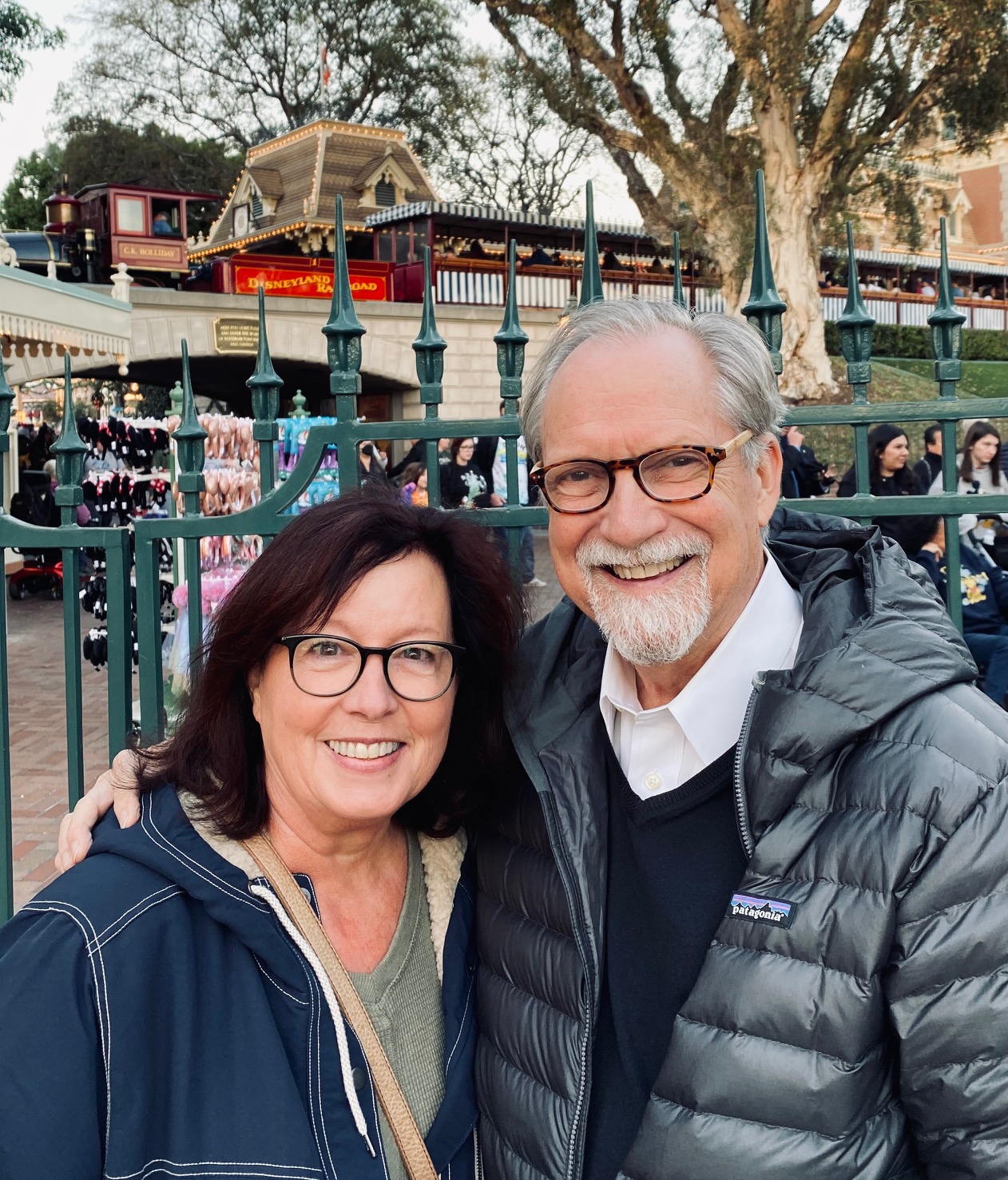
Rev. Dr. Byron Spradlin and Pam
· Meet Byron & Pam

Fifty years,
side by side.

Pam has been Byron's partner in every season of ministry — from the calling in 1970, through the founding of ACT International in 1973, to the artists, missionaries, and dreamers they've quietly mentored across five decades and fifty-plus nations.

“We've never done this alone.”

· Who I am

Five decades of mobilizing the creative church.

ACT International began in 1973 with a clear calling and a bold vision. Its founder, Dr. Byron Spradlin, had already spent years serving as a musician, songwriter, Bible teacher, church planter, pastor, and professor. In 1970, he wrote down a defining assignment from God that would guide the rest of his life: "To disciple and mentor people from music and the arts, weaving them into the life of the church, missions, and marketplace ministry around the world." What started as a step of obedience has grown into more than five decades of faithful service, shaped by Byron's deep passion for worship, imagination, and the role of the arts in God's mission. Today ACT International sends over 650 innovative staff in more than 50 nations.

“Colossians 3:17”

· What I offer

Mentoring made personal.

Three doorways into the conversation. No fee. No fluff. Just decades of hard-earned wisdom on tap.

01

A one-on-one chat

Pick a 30- or 60-minute slot. We meet on Zoom, talk about what God is doing in your life and ministry, and pray.

02

Wisdom by letter

Not ready to schedule? Write a real letter — a question, a struggle, a calling — and I'll reply by email.

03

Read along the way

Essays, sermon notes, and reflections from five decades of mentoring artists and dreamers. Free to read.

· What to expect

Here's how our conversation goes.

  • 01

    A conversation rooted in over 50 years of cross-cultural ministry

  • 02

    Practical wisdom on weaving the arts into church, missions, and the marketplace

  • 03

    Encouragement to live out your calling — whatever your medium

  • 04

    Time to pray together at the end

· Scenes

Moments along the way.

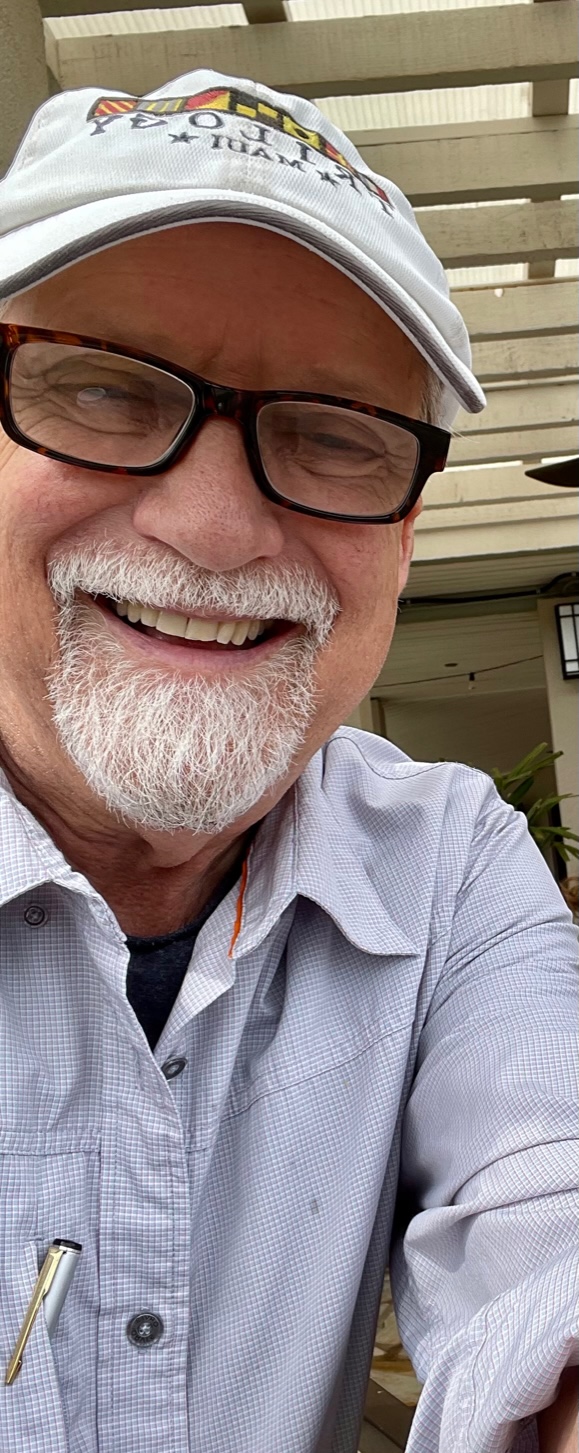
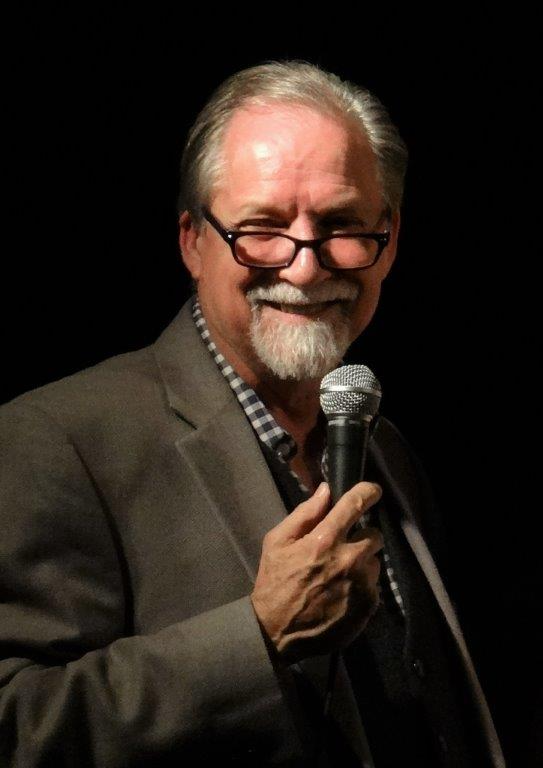
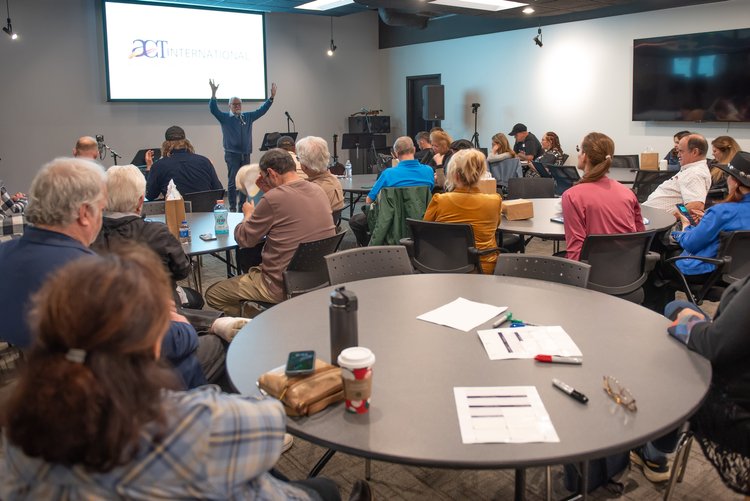
Photo 1
Photo 2
Photo 3
· From the journal

Things I've been writing down.

July 1, 2026

The Music Missionary: Why God Calls Songwriters to the Field

Read essay

When most people picture a missionary, they picture a Bible in one hand and a translator in the other. They rarely picture an acoustic guitar.

But after fifty-five years of mentoring artist-evangelists across more than fifty nations, I can tell you this with confidence: the music missionary is one of the most strategic, most overlooked callings in the modern church.

A song crosses borders a sermon can't

I have watched a worship leader from Nashville stand in a Mongolian yurt and bring an entire village to tears with a melody. No translator. No tract. Just a tune the Holy Spirit carried across the language gap. I have seen a hip-hop artist in São Paulo reach addicts that a hundred missionaries had walked past. I have watched a children's songwriter in Vietnam plant churches by teaching toddlers to sing about Jesus — and the toddlers brought their parents.

Music gets through where words get stopped. That is not romantic — that is reconnaissance.

What the music missionary actually needs

Over the decades, I have seen three things consistently sink the calling of a music missionary, and none of them are talent.

  1. A nonprofit structure. Without 501(c)(3) covering, the artist cannot receive tax-deductible support, cannot legally raise funds, and cannot scale. Many quit within two years because the paperwork breaks them.
  2. A community of peers. Music ministry is lonely. Artists need other artists who understand the calling — not just well-meaning church boards trying to fit them into a "pastor" box.
  3. Spiritual fathers and mothers. Talent without character is a wreck waiting to happen. The most effective music missionaries I know have someone older walking beside them, asking the hard questions.

The next 50 years

The next great move of God will sound like something. I believe it will sound like the indigenous worship of nations who have never heard their own songs of Zion. Our job — those of us with mileage — is to make sure the young musicians God is calling have what they need to last.

If you are a music missionary, or you are wondering if you are one, write me a letter. I'd love to talk.

June 18, 2026

Mobilizing the Global Ministry of Artists

Read essay

In 1970, the Lord gave me an assignment in one sentence:

"To disciple and mentor people from music and the arts, weaving them into the life of the church, missions, and marketplace ministry around the world."

I have spent every year since trying to figure out what that actually means in practice. Here is what I've learned about mobilizing artists for global ministry.

Mobilization is not recruitment

Recruitment treats artists as cogs in a missions machine. Where do we have a slot? Who do we send? Mobilization treats artists as people on a journey — and asks where God is already working in their gifts, then sets them up to flourish there.

Recruitment burns out the gifted in five years. Mobilization sustains them for fifty.

The four lanes I've watched bear fruit

After five decades of watching artists thrive — and seeing too many quit — I have come to believe the global ministry of artists travels in four lanes:

  • The Church Lane. Artists who carry worship, drama, visual storytelling, and creative liturgy into the local congregation. They make the gospel sing.
  • The Mission Lane. Artists who carry the gospel into nations through their craft — the songwriters in closed countries, the muralists painting redemption in slums, the filmmakers in Hollywood subverting the empty story.
  • The Marketplace Lane. Artists who minister where their craft pays — the studio musicians, the designers, the photographers — who treat their workplace as their parish.
  • The Mentor Lane. Older artists who have walked the road and now turn around and help the next generation find theirs. This is the lane I am in now.

Every artist I have mentored has, at some point, moved between lanes. That is not failure. That is the way of the Spirit.

What it costs

Mobilizing artists globally requires three things, and the church is generally good at none of them: time, theology, and trust. Time — because artists take longer to form than program managers. Theology — because artists need to understand the doctrine of vocation, not just the doctrine of salvation. Trust — because artists rarely fit the org chart, and the church rarely tolerates that.

If we get those three right, the global ministry of artists will not just survive the next century. It will make it.

June 4, 2026

The 501(c)(3) Question: Why Artists Need a Nonprofit Backbone

Read essay

The most romantic conversation I have with young artists is about calling. The least romantic — and the most important — is about the 501(c)(3).

Every year I sit down with songwriters, filmmakers, painters, and worship leaders who feel God's call to vocational ministry. Every year, a startling percentage of them are operating personally — receiving "love offerings," dodging tax questions, and quietly bleeding out their savings to keep the ministry alive.

Friend, that is not a ministry. That is a hobby with a Holy Spirit attached.

What a 501(c)(3) actually does for an artist

A nonprofit structure is not paperwork. It is infrastructure for a calling. Done right, it does five things for an artist-evangelist:

  1. Donor tax-deductibility. People can give you real money, and write it off. This unlocks 5–10× the support a hobby ministry can raise.
  2. Legal protection. When the lawsuit comes — and in this culture it eventually comes — your personal home is not on the line. Your ministry is its own legal entity.
  3. Financial accountability. Books are audited. Donors trust you. You sleep better.
  4. Grant access. Foundations cannot legally give to individuals. They can give to 501(c)(3)s. There is a whole world of funding closed to you until you have the structure.
  5. Permanence. A 501(c)(3) outlives you. Your ministry can continue after you.

"But I just want to sing."

I hear this from almost every artist I mentor. And I understand. The Spirit calls you to a guitar and a voice — not a board meeting and a Form 990.

Here is the truth I have learned in five decades: the artists whose ministries last 30+ years all built a structure. The ones who didn't, didn't last.

The shortcut nobody tells you about

You do not have to build your own 501(c)(3). You can come under the covering of an existing one — what we call a "fiscal sponsor" or "umbrella ministry." That is exactly what ACT International has been doing for artist-missionaries since 1973: providing the nonprofit foundation so the artist can focus on the calling.

If you are an artist wondering whether you need a nonprofit, or how to set one up, or whether to seek covering — book a chat. I have seen this story play out hundreds of times, and I'd love to help you skip the painful chapters.

· Support this work

Every gift keeps
the fire going.

Donations directly support Byron's mentoring, travel, and the next generation of creative ministry. 100% goes to Dr. Spradlin less a small 10% platform fee & Stripe costs.

· Ready?

Your calling deserves
the right voice in your corner.

Dr. Byron Spradlin

Mentoring artists, founders, and ministry leaders since 1970. Free for the seekers, supported by the generous.

Get in touch
© 2026 Rev. Dr. Byron Spradlin. Artists in Christian Testimony International.
Hosted on Kingdom.Workers.Unite ↗